


17 June, 2025
Why Information Alone Isn’t Enough for True Transformation

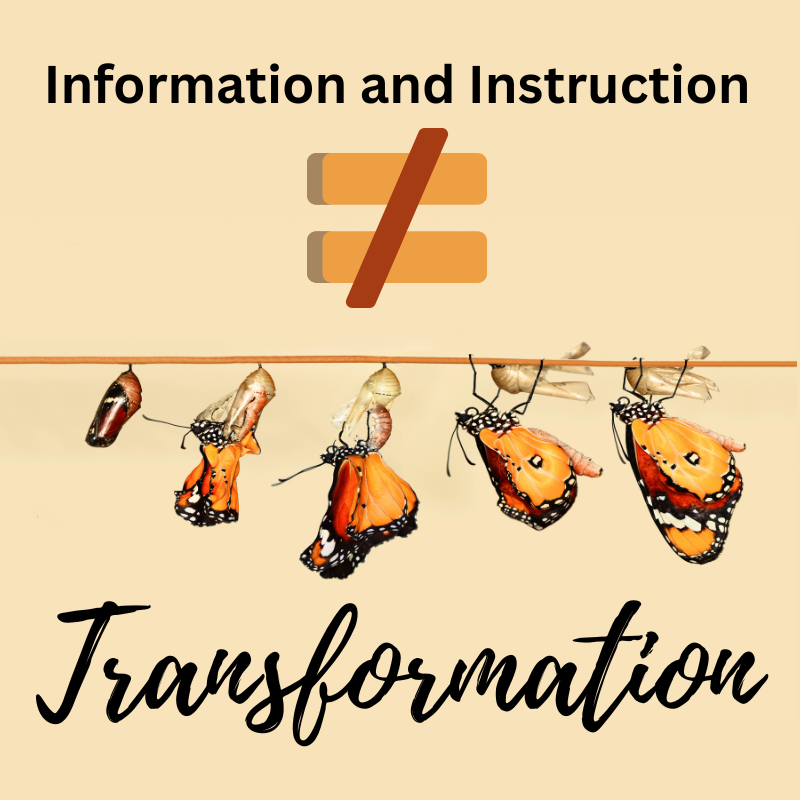
Transformation is a powerful word that goes beyond simple change. It’s the shift in your mindset, habits, and behaviors that produces deep, lasting results. Yet, many people believe that access to information or instructions provided by another person is enough to create personal, professional, or healing transformation. The truth? It’s not.
We live in a world overflowing with knowledge. There are endless books, courses, webinars, articles, and instructional guides out there. But if information were the key to transformation, we’d all be fit, emotionally secure, highly productive, and thriving in every area of life. So why aren’t we? Because transformation requires more than just knowing what to do. Here’s why.
1. Knowledge Alone Doesn’t Lead to Action
Understanding what you should do and actually doing it are two very different things. While information provides the “what” and instructions explain the “how,” they often fail to address the “why.” Without a compelling reason to act, most people don’t move forward.
Example: Think about fitness. Most of us know the benefits of exercise and have come across countless workout routines. But despite this, many struggle to stick to a fitness plan. Why? Because knowing the steps isn’t enough. It’s the emotional connection to your goals and intrinsic motivation that drive real action.
Takeaway: To foster transformation, connect new knowledge to deeply rooted personal values or an emotional trigger that makes acting on it unavoidable.
2. Transformation Requires Emotional Engagement
Logic alone doesn’t lead to healing transformation. Emotion is a driving force behind meaningful change. People need to feel. They need inspiration, connection, or even discomfort to take action.
Example: Someone might know the facts about climate change, but watching a moving documentary or hearing a personal story from someone impacted by environmental issues can inspire them to change their habits.
Takeaway: Whether in personal growth or leadership, tap into emotions. Stories, experiences, and real-world examples resonate far deeper than data and instructions.
3. Change Takes Practice and Repetition
Healing transformation is rarely instant. Instead, it’s a process that requires consistent practice and reinforcement over time. You don’t become a master chef by reading recipes. You must practice cooking, fail a little, learn, and improve.
Example: Learning a new skill, like speaking a foreign language, isn’t about memorizing vocabulary or grammar rules. You need immersion, repetition, and time to internalize those skills and make them second nature.
Takeaway: Be patient with yourself (or others) and approach transformation as a process that unfolds step by step.
4. Mindset Shifts Are Crucial
Information can’t change entrenched beliefs or default ways of thinking. For true healing transformation, you need to challenge and reshape your internal narrative.
Example: An individual might be given tools to build confidence but still struggle if they carry a core belief that they’re “not good enough.” Without addressing this underlying mindset, any steps they take will likely falter.
Takeaway: Pair knowledge with deeper work that explores limiting beliefs and shifts mindset. Reflection and self-awareness can unlock this process.
Related Blog Post: Why Your Mindset Doesn’t Begin in the Mind
5. One Size Does Not Fit All
Generic advice about healing can miss the mark entirely if it doesn’t align with someone’s unique experiences, emotions, or needs. Healing is deeply personal, and growth requires an approach that resonates with the individual.
Example: Imagine reading advice that suggests journaling every morning as a way to process emotions. While this might be healing for some, it could feel overwhelming or unhelpful to someone who finds mornings stressful or prefers other ways to reflect, like talking with a trusted friend or meditating.
Takeaway: Honor your own healing process by choosing practices that align with your personality, lifestyle, and emotional needs. What brings peace and growth to one person might not work for another, and that’s perfectly okay.
6. Support and Accountability Fuel Momentum
Transformation is not a solo endeavor. Without support or accountability, it’s easy to fall back into old habits or give up when things get tough.
Example: A person might have the tools to quit smoking but feel overwhelmed without a support system. However, with the encouragement of a peer group or mentor, they’re far more likely to succeed.
Takeaway: Seek out communities, coaches, or accountability partners to help you stay on track and celebrate progress, no matter how small.
7. Experience Is a Better Teacher Than Information
People learn far more effectively through doing than they do by simply consuming information. Real-life experiences make lessons stick.
Example: A leadership book might inspire you, but participating in a workshop where you practice conflict resolution or decision-making in real-time will have a far greater impact.
Takeaway: Prioritize experiential learning. If you’re looking to master something, get hands-on and immerse yourself in the process.
8. Overcoming Resistance to Change
Humans are creatures of habit, and change—even positive change—can trigger resistance. Information often fails to address this internal pushback.
Example: Employees reluctant to adopt new company software may know all its benefits, but their fear of failure or discomfort with change still holds them back. Addressing that emotional resistance might be more impactful than another instructional training session.
Takeaway: Acknowledge the mental and emotional barriers to change. Then actively work through strategies to address them, like reassurance, gradual adjustments, or creating a safe space to fail.
9. Consistency Beats Quick Fixes
True transformation proceeds from consistently applying what you’ve learned until it becomes a natural part of your life. Knowledge without integration rarely transforms.
Example: Reading about mindfulness is helpful, but transformation happens when mindfulness becomes part of your daily routine, guiding decisions and actions over time.
Takeaway: Focus on small, sustainable changes. Build new habits brick by brick, rather than seeking overnight success.
10. Reflection Unlocks Deeper Learning
Rarely do people transform by simply following a set of instructions. Reflection is the process by which we connect new knowledge to our personal experiences, solidifying the lessons.
Example: Someone attending a motivational workshop may feel inspired in the moment, but without time for reflection, they’re likely to lose momentum. Contrast this with journaling their insights, exploring how to apply them, and revisiting them over time.
Takeaway: Create time to reflect, whether through journaling, meditation, or even conversations with others who are on a similar path. Transformation starts with awareness, deepens through reflection, and grows through action.
The 20/80 rule, often referred to as the Pareto Principle, suggests that 20% of your efforts typically lead to 80% of your results. When applied to taking in information and taking action, it emphasizes the importance of balancing learning with doing.
In this context:
- 20% Information Gathering: Spend a small portion of your time learning, researching, or planning. Focus on the most critical and actionable insights that will have the biggest impact.
- 80% Taking Action: Dedicate the majority of your time to applying what you’ve learned. Action is where real progress and growth happen, as it allows you to test, adapt, and refine your approach.
The idea is to avoid getting stuck in “analysis paralysis” by over-consuming information and instead prioritize action, which leads to tangible results and learning through experience.
Remember, a healing transformation is about more than what you learn; it’s about how you live. By combining knowledge with emotion, practice, reflection, and personalized strategies, you can create meaningful, lasting change that flows naturally into every aspect of your life.
Are you ready to take the first step toward transformation? The choice is yours!
 0 Comments