


14 April, 2025
Chronic Illness and the Path to Self-Empowerment in Healing
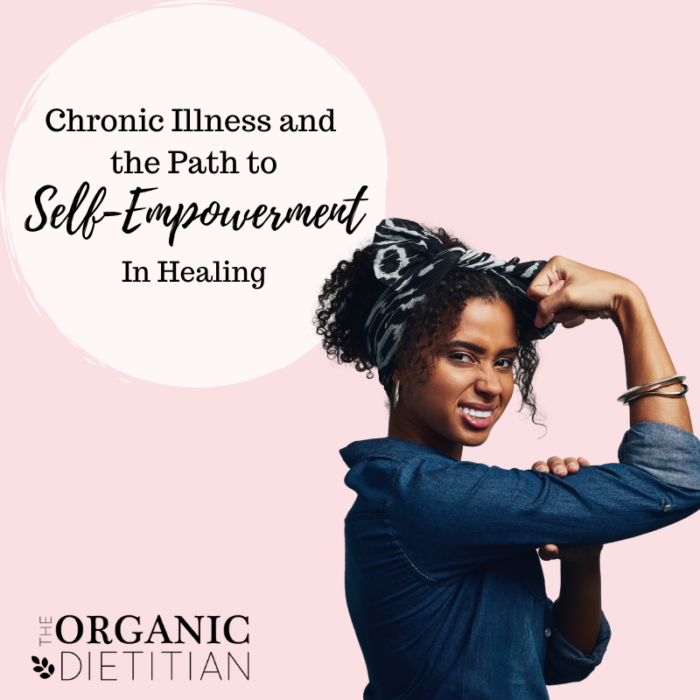
When faced with healing chronic illness or health challenges, it’s natural to feel overwhelmed and powerless. You may find yourself sitting in your wellness practitioner’s office, hoping for a clear roadmap to recovery, saying, “Just tell me what to do to heal.” While this approach seems simple and effective, it often stands in the way of true, lasting healing. Here’s why.
The Hidden Cause of Chronic Health Challenges
Research increasingly points to accumulated stress and unresolved trauma as the root cause of up to 80% of chronic health issues. Whether it’s digestive problems, autoimmune disorders, or persistent fatigue, these conditions often stem from prolonged exposure to stress that our bodies never fully resolved. Trauma, at its core, is the experience of losing power or control, leaving us disconnected from our sense of self.
We instinctively look outward for solutions when we lose our sense of agency. It’s no surprise, then, that when a chronic health issue arises, many of us default to seeking someone who can tell us exactly what to do to get better. “What should I eat? What supplement will fix this? What strategy will heal me?” While understandable, this approach may actually perpetuate the cycle of disempowerment that contributed to our illness in the first place.
Related Blog Post: Unresolved Trauma: The Hidden Root Cause of Chronic Disease

Healing Can’t Be Outsourced
The truth is, lasting healing requires us to reclaim our power. This means stepping into the driver’s seat of our own health and taking full ownership of the healing process. Yes, this can feel daunting, especially when you’re tired, in pain, or unsure where to start. But healing isn’t something that can be done to you; it’s something you must actively participate in.
When you overly rely on external solutions or expect a practitioner to “fix” you, you give away your power. It might work short-term, but without engaging with the deeper issues and adopting a proactive role in your recovery, long-term healing often proves elusive.
The Path to Empowerment
True healing doesn’t come with quick fixes or pre-written scripts. It comes with introspection, hard work, and resilience. Here’s what that means in practice:
- Take Ownership
Healing starts with a mindset shift. You must take 100% responsibility for your health, even when external factors like genetics or past trauma seem outside your control. This doesn’t mean blaming yourself but recognizing that you have the power to influence your well-being moving forward.
- Step Into Your Power
Reclaiming your sense of agency involves making decisions for yourself, trying new approaches, and building confidence in your ability to choose what’s right for your body. The more you actively engage in your healing, the stronger and more empowered you’ll feel.
- Face Discomfort Head-On
Healing isn’t linear; it’s a bumpy road with moments of discomfort and setbacks. You may have to examine painful emotions, change long-standing habits, or confront beliefs that no longer serve you. This is where growth happens.
- Be Willing to Release
Part of healing involves letting go of what’s not serving you. This could be unhealthy relationships, poor eating habits, or even certain coping mechanisms. It’s not easy, but it’s necessary.
- Take the Pilot Seat
Imagine your healing process as a plane ride. You’re the pilot, navigating through challenges, while your wellness practitioner is your co-pilot. They’re there to offer guidance, resources, and support, but ultimately, you’re in control of where the plane goes.
Practitioners as Facilitators, Not Fixers
This brings us to the role of wellness practitioners. While they are invaluable resources, their job isn’t to heal you but to help you heal yourself. The best practitioners are facilitators who ask meaningful questions, encourage self-discovery, and equip you with the tools to uncover your own answers.
By working collaboratively with a practitioner who values your autonomy, you become an empowered self-healer. They’ll share knowledge, suggest options, and challenge you to think critically about your choices, but they won’t take away your power by dictating every move. This collaborative dynamic fosters lasting change.
A Call to Action for Your Healing Journey
It’s time to rethink how we approach healing. Rather than asking someone else to “just tell me what to do,” ask yourself the harder, more meaningful questions:
- What do I feel is right for my body?
- What can I take responsibility for today?
- How can I step into my own power when it comes to my health?
Your practitioner is your guide, not your savior. They can walk the path with you, but the steps must be your own. True healing starts when you take control of your story, face the challenges head-on, and reclaim the agency that chronic illness often tries to strip away.
The first step? Shift your perspective. The next time you visit your wellness practitioner, try asking, “What can I do to take ownership of my healing?” instead of “What should I do?” You’ll be amazed at the difference it makes.
 0 Comments